MY STORY
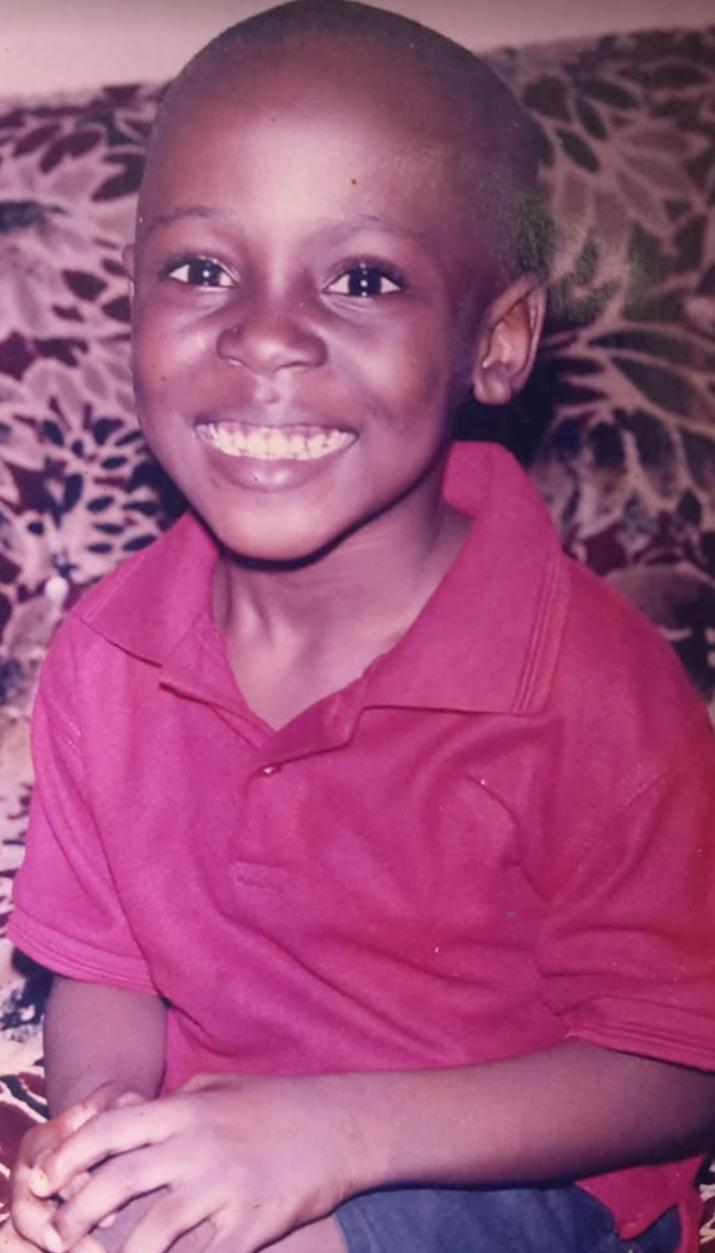
THE BOY WHO WOULDN'T STOP ASKING WHY.
The first part of this page is not a list of accomplishments. It is a record of how a restless curiosity moved from private thought into public work, and how each new interest became another way to make ideas useful.
One of the defining patterns has been the insistence that knowledge on its own is only half of what matters. The projects that followed came from the quiet decision to build systems people can actually use.
My work began as a series of questions: why do people learn and then fail to act? How do ideas shape behaviour? What does it look like to make learning more practical, more connected, and more durable?
01
The Beginning
The earliest pattern was not a single childhood memory but a way of moving through the world. I was the person who asked a second question under the table, who wanted to know not just what something was but how it fit into the larger picture.
Curiosity felt less like a hobby and more like a habit. It showed up in the books I carried, the conversations I lingered in, and the little systems I invented to make sense of what I saw.
That same energy kept returning as my interests shifted toward psychology, philosophy, and the mechanics of how people think. The beginning was not dramatic; it was an accumulation of questions and the belief that learning meant paying attention to the world around me.
02
The Hunger To Understand
There was a moment when curiosity became an insistence on depth. The books and ideas that once felt novel began to feel incomplete if they were not tied back to real human behaviour.
Psychology taught me how habits form. Philosophy offered a way to interrogate assumptions. Technology showed how tools can amplify or flatten meaning. Leadership and design became languages for shaping those ideas into something people could use.
What mattered most was not accumulating knowledge for its own sake, but learning enough to see the connections between different fields and the way thought becomes action. That hunger was a turning point in how the next phase of the work took shape.
03
The Shift From Knowing To Building
Learning was never the destination. It was the signal that something had to change. I started to notice that the ideas I admired were not the ones I had read about; they were the ones I could point to and say, “that is working.”
Information alone does not change people. That realization shifted the work from collecting content to creating containers for action. The first experiments were small: frameworks, writing habits, conversations with other people who were also trying to do more than think.
The shift was quiet, but it was decisive. The question changed from “what do I know?” to “what can I build that makes this knowledge useful?” That framework has shaped every project since.
04
The Work Becomes Bigger Than Me
Once the process became clearer, the work expanded. It was no longer about a personal experiment; it became about creating spaces where other people could think better and execute better.
Communities, writing, and tools became part of the same effort: to turn curiosity into consistent practice. The goal was not to build a brand, but to build environments where thoughtful people could learn, test, and move forward together.
That is where the idea of a broader ecosystem took root. The most important thing was no longer the content itself, but the way the work made habits, conversations, and systems more accessible to others.

REFLECTION
The thread that runs through the work is the choice to make what we learn matter.
When I look back, the common thread is simple: I kept returning to the same tension between understanding something and doing something with it. The practice that emerged was not flashy. It was a daily decision to design systems that help people move from thought to action.
That tension still guides the work. It shapes the way new ideas are evaluated, the way communities are built, and the way every project is judged. Understanding is only useful when it becomes a tool for better habits, clearer thinking, and more deliberate execution.
The story is still being written.
The next chapters will continue in the same spirit: exploring how to make learning more practical, how to help others think with greater clarity, and how to design systems that support consistent growth. The story is still being written.